
Kitten Information
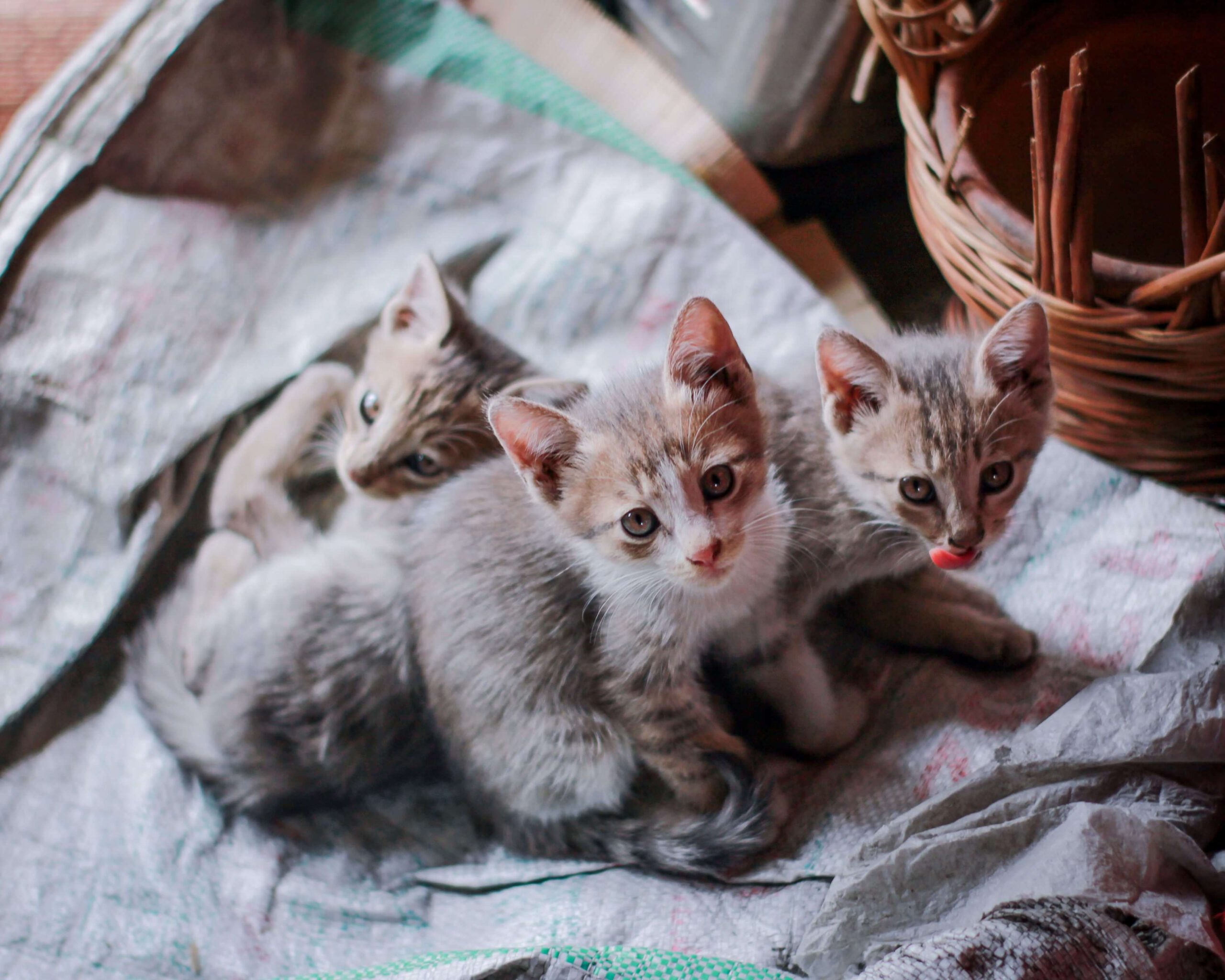
Bringing a new kitten home is one of the most rewarding experiences for a family. Our small, locally owned practice understands the unique needs of kittens and their families. This page will walk you through the essential steps of kitten care – from vaccinations and feeding to parasite control and spaying or neutering. We are here to support you every step of the way.
Vaccination Schedule for Kittens
Protecting your kitten from preventable diseases is one of the most important things you can do. We recommend a series of three vaccines starting at 8 weeks of age, with the second at 12 weeks and the third at 16 weeks. This schedule is designed to build strong immunity during the vulnerable early months. The core vaccines protect against feline herpesvirus (FHV), calicivirus, panleukopenia, and feline leukaemia virus (FeLV). Rabies vaccination is also recommended, as it is required by law in many areas. Keeping up with the full series is essential for your kitten’s long-term health. After the initial series, your veterinarian will advise on booster shots to maintain protection.
Feeding Your Kitten
Kittens grow quickly and need plenty of energy from a balanced diet. It is recommended to feed your kitten three to four times a day until about six months of age. The key is to offer high-quality kitten food that provides the right nutrients for growth, kittens should not eat adult food until they are older. Transition to a high-quality adult cat food between six and eight months of age, and at this time, you can also start to reduce feeding to twice a day. Always provide fresh, clean water, and avoid giving cow’s milk, which can upset their stomach.
Parasite Control
Vancouver Island’s mild climate means fleas can be a problem all year round. The worst months are typically October and November, but fleas can survive indoors throughout the winter, so year-round parasite prevention is very important. We can recommend safe, effective flea control products that are appropriate for your kitten’s age and weight. Regular flea treatment not only keeps your kitten comfortable but also prevents tapeworms and other secondary issues. Always speak to your veterinarian before starting any flea medication, as some products are not safe for very young kittens. A clean home and regular vacuuming also help reduce flea populations. Your vet may also recommend deworming treatments, as many kittens acquire intestinal parasites from their mother.
Spaying or Neutering Your Kitten
Spaying or neutering is a routine procedure that offers many health and behavioural benefits. It is generally recommended to perform the surgery at around six months of age. This timing allows your kitten to mature enough physically while preventing unwanted litters and reducing the risk of certain cancers and infections. Female cats can go into heat as early as five months, so scheduling the procedure before that point is wise. Your veterinarian will discuss pre-operative requirements, including a health check and any necessary blood work. Most kittens recover quickly and return to their playful selves within a day or two.
Litter Box Basics
Setting up the right litter box from the start makes training easier. We recommend using non-clumping litter for kittens. Clumping litter can be accidentally ingested when curious kittens groom their paws, potentially causing digestive blockages. Non-clumping litter is a safer choice until your kitten is older and less likely to eat it. Choose a shallow, easily accessible box with low sides so your kitten can climb in and out without trouble. Place the box in a quiet, private area away from food and water bowls. Clean it daily – kittens are particular about cleanliness and may avoid a dirty box. If you have multiple cats, provide one litter box per cat plus one extra to prevent conflicts.
Understanding Kitten Sleep
Kittens are famous for their bursts of energy followed by long naps. Cats sleep about 16 hours a day, and kittens and senior cats sleep even more. That is completely normal – sleep is when their bodies and brains grow. Provide a warm, comfortable bed in a quiet corner where your kitten can rest undisturbed. Avoid waking a sleeping kitten, as they need those deep sleep cycles. Most kittens will adjust to your household’s routine over time. If you notice your kitten sleeping far more than usual or appearing lethargic during waking hours, consult your veterinarian. Otherwise, enjoy the quiet moments while they last.
Frequently Asked Questions
We recommend getting the first vaccine at 8 weeks of age, with boosters at 12 and 16 weeks. This series protects against several common and serious feline diseases. Starting on time ensures your kitten builds strong immunity before they are exposed to other cats or the outdoors.
Until about six months of age, feed your kitten four to five times a day. After six months, twice-daily feedings are appropriate. Always use a high-quality kitten food.
We recommend spaying or neutering at around six months of age. This timing helps prevent unwanted litters and reduces the risk of certain health problems. Your vet will guide you through the process during a routine wellness visit.
Fleas are present year-round on Vancouver Island, with the worst months typically October and November. Use a veterinarian-recommended flea prevention product safe for kittens. Regular treatment, combined with vacuuming and cleaning, keeps infestations under control. Speak to your vet before starting any medication.
We advise using non-clumping litter for kittens. Clumping litter can be ingested accidentally and cause digestive problems, so non-clumping litter is safer until your kitten is older. Provide a shallow box and clean it daily to encourage proper litter box habits.