
Poison Information
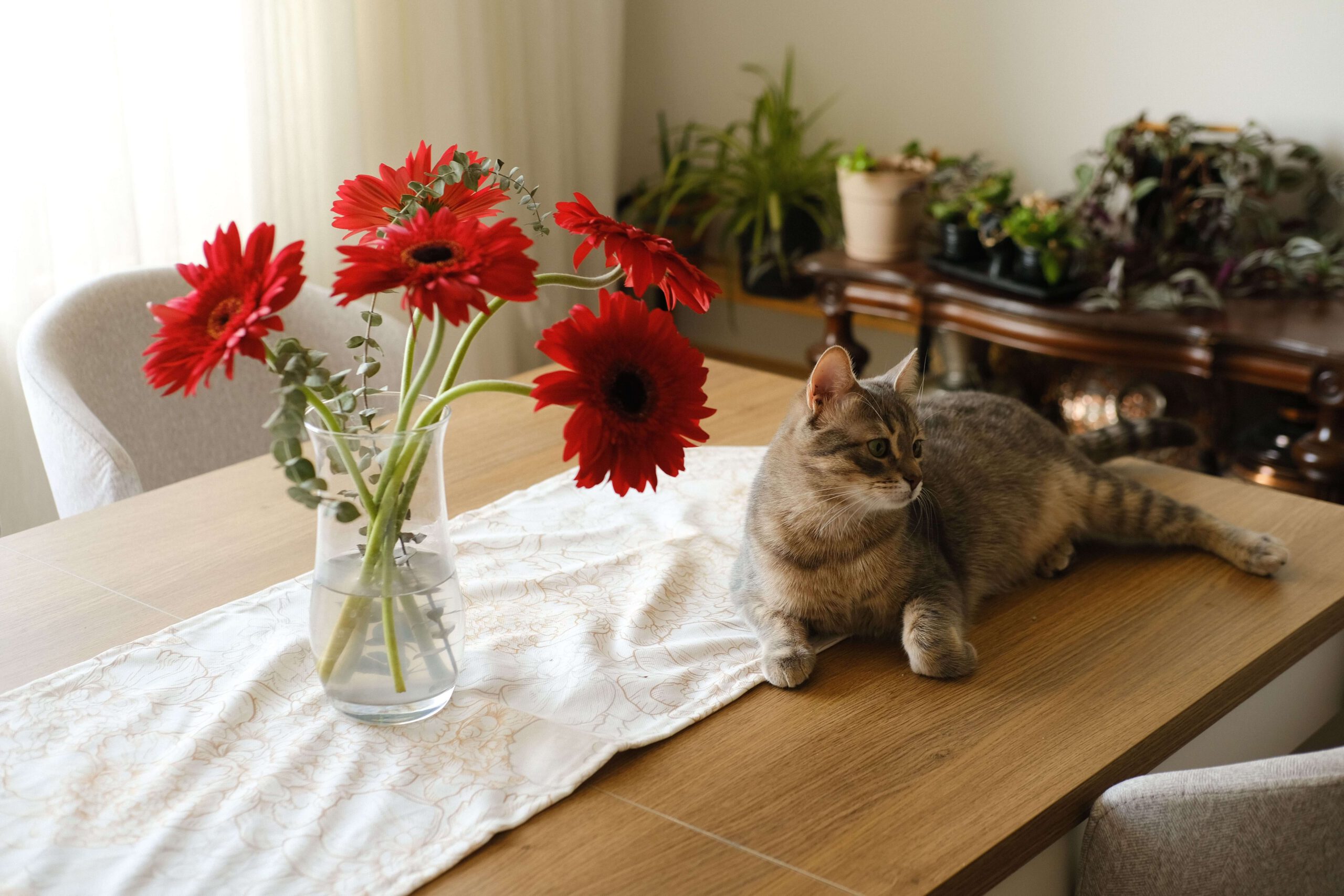
Keeping your dog or cat safe from accidental poisoning is a concern for any pet owner. When gardens, households, and natural areas offer plenty of opportunities for curious noses, knowing what to watch for and how to respond can make a critical difference. This guide covers the most common pet poisons, the signs of poisoning, and the steps you should take if your pet ingests something harmful.
Common Household Poisons for Dogs and Cats
Many everyday items found in homes and yards can be toxic to pets. Knowing these hazards is the first step in prevention.
- Cleaning Products and Household Chemicals – Cleaning products, paints, solvents, and antifreeze are common hazards in many homes. Antifreeze has a sweet taste that attracts pets, but even a small amount can be fatal. Keep all cleaning agents and chemicals in secure areas, and clean up spills immediately. When using these products, consider keeping pets in another room until surfaces are dry and fumes have dissipated.
- Pesticides and Rodenticides – Rodent poisons and garden pesticides are designed to kill pests, but they can also harm pets. Rodenticides often contain anticoagulants that cause internal bleeding, and some newer formulations can cause neurological symptoms. Use pet-safe alternatives where possible, and if you must use these products, place them in areas completely inaccessible to your dog or cat.
- Plants – Many common house and garden plants are poisonous to cats and dogs. The ASPCA provides a searchable list of toxic and non-toxic plants, which is a valuable resource for gardeners. Plants like lilies, azaleas, rhododendrons, sago palms, and tulip bulbs can cause everything from vomiting to kidney failure. Before adding a new plant to your home or garden, check its toxicity status.
- Human Medications – Over-the-counter and prescription medications are among the most frequent causes of pet poisoning. Pain relievers like ibuprofen and acetaminophen, antidepressants, and blood pressure pills can be dangerous even in small amounts. Always store medications in closed cabinets that pets cannot access, and never leave pill bottles on counters or nightstands.
- Human Foods – Certain foods that are safe for people can cause serious illness in dogs and cats. For dogs, common toxic foods include chocolate, grapes, raisins, onions, garlic, macadamia nuts, and xylitol. For cats, the list is even broader: in addition to those foods, alcohol, caffeine, raw eggs, raw fish, raw meat, and raw dough can all be dangerous. Never feed table scraps without verifying that each ingredient is safe for your pet.
- Xylitol – Xylitol is a naturally occurring substance that is widely used as a sugar substitute, most commonly found in sugar-free gum and baked goods. When a dog eats something containing xylitol, it is quickly absorbed into the bloodstream, resulting in a potent release of insulin and a rapid decrease in the level of blood sugar (hypoglycemia). Untreated, this can be life-threatening, as xylitol is estimated to be 100 times as toxic as chocolate to dogs. Symptoms of xylitol toxicity develop rapidly, usually within 15-30 minutes of consumption, and may include any or all of the following: Vomiting, weakness, incoordination or difficulty walking or standing (walking like drunk), depression or lethargy, tremors, seizures, liver failure, and coma. To reduce the risk of xylitol poisoning, read all labels carefully. There are different names Xylitol can hide under, Birch Sap, Birch Bark, L-Xylulose Reductase, Xylonic Acid, Xylite and Anhydroxylitol. If it says sugar free, triple check the label to see what sugar substitute they are using, as it could be Xylitol.
Signs of Poisoning in Pets
Recognising the signs of poisoning early can save your pet’s life, as symptoms can affect multiple body systems. Look for gastrointestinal signs such as vomiting, diarrhoea, drooling, or loss of appetite. Neurological symptoms may include tremors, seizures, lethargy, or uncoordinated movements. Respiratory issues like coughing or difficulty breathing, skin reactions such as rashes or swelling, and signs of liver or kidney problems like jaundice or increased thirst and urination can also occur. In some cases, anaemia may develop, indicated by pale gums or weakness. If you notice any of these symptoms and suspect your pet may have ingested something toxic, act quickly. Do not wait for symptoms to become severe before seeking help.
What to Do If Your Pet Ingests a Poison
If you discover or suspect that your pet has eaten something poisonous, remain calm and follow these steps:
- Remove your pet from the area. This prevents further exposure and allows you to identify the substance.
- Check your pet’s breathing and consciousness. If your pet is unconscious or having difficulty breathing, seek emergency veterinary care immediately.
- Do not administer home antidotes. Common remedies like giving milk, salt, or hydrogen peroxide can cause more harm. Do not induce vomiting unless a veterinarian or poison control professional specifically instructs you to do so.
- Collect information – try to determine what your pet ate, how much, and when. If possible, bring the packaging or a sample of the substance with you to the vet.
- Contact a professional – call your local veterinarian, an emergency animal hospital, or a pet poison control centre.
The most important rule is to get professional advice before taking any action. Some poisons are more dangerous when vomited back up, and inducing vomiting without guidance can be fatal.
Pet Poison Control Hotlines Available to Canadians
Two nationally recognised animal poison control centres are available to residents of Brentwood Bay BC. Both operate 24 hours a day, seven days a week, and can provide immediate guidance over the phone.
- Pet Poison Helpline – The Pet Poison Helpline can be reached at 855-764-7661(855). This service is available in both the United States and Canada. A flat fee of $89 USD per incident applies. The helpline is staffed by board-certified toxicologists and licensed veterinary professionals, and it has a formal affiliation with the University of Minnesota College of Veterinary Medicine. It is the only licensed veterinary contact centre of its kind internationally.
- ASPCA Animal Poison Control Center – The ASPCA Animal Poison Control Center is another 24/7 option, reachable at 888-426-4435. A consultation fee may apply. The ASPCA has a long history of providing poison control services for pets and offers a wealth of online resources, including a searchable list of toxic and non-toxic plants.
Both hotlines can give you step-by-step instructions while you are on the way to a veterinary clinic. Keep these numbers stored in your phone and posted on your refrigerator at home.
Frequently Asked Questions
Pet Poison Helpline charges a flat $89 USD per incident, and the ASPCA Animal Poison Control Center may charge a consultation fee. Neither service is free, but they provide expert guidance that can save your pet’s life. Some pet insurance plans may reimburse these fees.
Yes, onions and garlic are toxic to both dogs and cats. They can damage red blood cells and lead to anaemia. Symptoms may not appear for a few days, so even if your pet seems fine after eating these foods, contact your veterinarian for advice.
Use the ASPCA’s searchable list of toxic and non-toxic plants to look up any plant by its common or scientific name. If you cannot identify the plant, take a sample to your local garden centre or send a photo to a plant identification app. When in doubt, keep your pet away from the plant.
Contact your veterinarian or a pet poison control hotline immediately. The amount and type of chocolate matter, but darker chocolate is more toxic. Do not induce vomiting unless a professional tells you to. Have the chocolate wrapper and an estimate of how much your dog ate ready for the call.
Lilies are extremely toxic to cats and can cause kidney failure even in small amounts. If your cat has chewed on any part of a lily, seek veterinary care immediately. Every minute counts. Bring the plant or a photo with you to the clinic to help with identification.