
Senior Pet Information
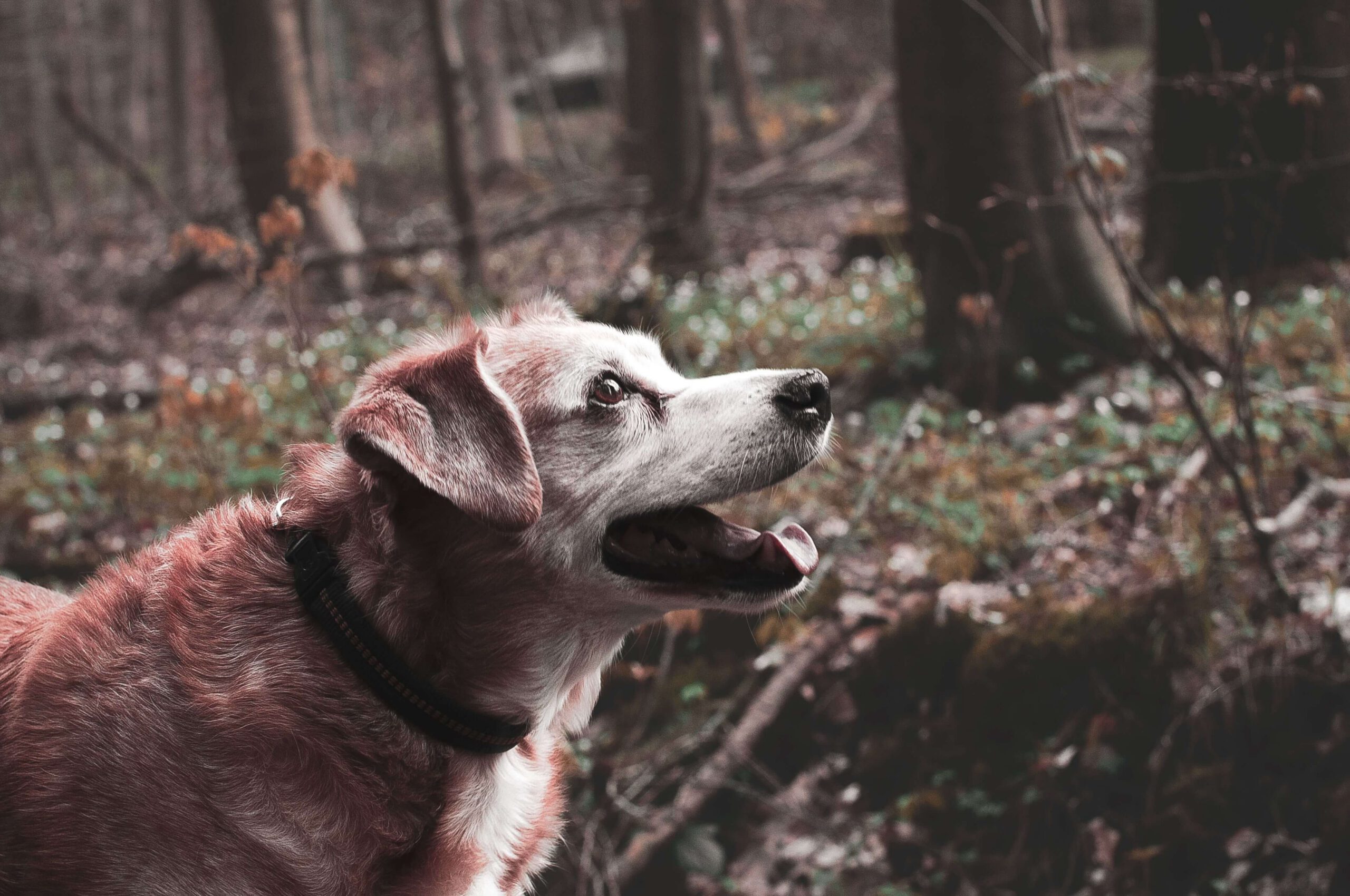
Watching your dog or cat grow older brings a mix of gratitude and concern. The playful puppy who once raced through fields now takes stairs one step at a time. The cat who leaped onto kitchen counters now prefers a soft bed by the window. These changes are natural, but they also mean your pet needs a little extra attention. At Brentwood Bay Veterinary Clinic, our goal is to help you keep your older pet comfortable, happy, and well cared for throughout their senior years.
Understanding the Needs of Senior Pets
Pets age faster than people, and their bodies change in ways that are not always obvious. As pets get older, their immune system, organs, and joints all require more attentive care. Senior pets may develop age-related problems such as mobility issues, arthritis, vision loss, hearing loss, and cognitive dysfunction. Recognizing these changes early allows you to adjust their care routine and seek veterinary guidance before small problems become serious.
The key to successful senior pet care is observation. Watch for subtle shifts in behaviour: a dog that hesitates before jumping into the car, a cat that stops grooming its back legs, or a pet that seems confused or disoriented in familiar surroundings. These signs often point to underlying health conditions that can be managed with the right veterinary support.
Key Health Concerns to Watch For
- Arthritis and Joint Pain – Arthritis is one of the most common conditions in older dogs and cats. Stiffness after rest, reluctance to climb stairs, and a change in walking pattern are early clues. While arthritis cannot be cured, it can be managed with weight control, joint supplements, pain relief, and adjustments to your home environment. Your Brentwood Bay vet can help develop a plan that keeps your pet moving comfortably.
- Dental Disease – Dental problems affect many senior pets and can cause pain, infection, and even damage to the heart and kidneys. Bad breath, drooling, or difficulty eating may signal dental disease. Regular professional cleanings and at-home tooth brushing help prevent these issues. Brentwood Bay Veterinary Clinic offers professional dental cleanings and oral health assessments as part of comprehensive senior care.
- Cognitive Dysfunction – Just like people, older pets can experience cognitive decline. Signs include wandering aimlessly, forgetting house training, changes in sleep patterns, or decreased interest in interaction. This condition is sometimes called dog dementia or cat cognitive dysfunction. While there is no cure, environmental enrichment, special diets, and certain medications can help slow progression and improve quality of life. Talk to your veterinarian if you notice these changes.
- Vision and Hearing Loss – Many senior pets lose some sight or hearing gradually. A dog that no longer greets you at the door or a cat that startles easily may be adapting to sensory loss. These pets can still live full lives with a few accommodations: keep furniture in the same place, use scent markers to help them find doorways, and approach them slowly so you do not startle them.
Nutrition and Weight Management
A senior pet’s nutritional needs change with age. Many older dogs and cats require fewer calories because they are less active, yet their bodies need higher-quality protein to maintain muscle mass. Diets formulated for seniors often include joint-supporting ingredients like glucosamine and omega-3 fatty acids, as well as antioxidants for cognitive health. Weight management is especially important because extra pounds put added stress on arthritic joints and increase the risk of diabetes and heart disease.
Your veterinarian can recommend a specific food and portion plan based on your pet’s breed, size, and health status. At Brentwood Bay Veterinary Clinic, nutrition counselling is part of our wellness services. We can help you choose a diet that supports your pet’s changing body without unnecessary fillers.
When to Increase Vet Visits
Healthy adult pets typically need an annual checkup. Once your pet reaches senior status, twice-yearly examinations are recommended. These more frequent visits allow your veterinarian to catch age-related conditions early, when they are most treatable. A senior wellness exam usually includes a thorough physical examination, blood work to check organ function, a urinalysis, and a dental assessment. Depending on your pet’s health, your vet may also recommend blood pressure checks, thyroid testing, or imaging.
Between visits, stay alert to changes in appetite, thirst, energy, bathroom habits, and behaviour. Any sudden or persistent change warrants a call to your veterinarian.
Supporting Mobility and Comfort at Home
Small modifications around your home can make a big difference for a senior pet. Place non-slip rugs on slippery floors to help with traction. Use a ramp or pet steps to access furniture or vehicles. Provide orthopedic beds that cushion sore joints. Keep food and water bowls at a comfortable height so your pet does not have to bend too low. For pets with vision loss, avoid rearranging furniture and use nightlights to help them navigate in the dark. Gentle exercise is important for maintaining muscle tone and joint flexibility. Short, frequent walks on soft surfaces, low-impact play, and swimming (for dogs who enjoy it) are good options. Always let your pet set the pace and stop if they show signs of fatigue or pain.
Frequently Asked Questions
Once your dog or cat reaches senior age (around seven years old for most pets), we recommend a checkup every six months. These twice-yearly visits allow your veterinarian to monitor changes in weight, organ function, and joint health. Early detection of problems such as kidney disease or arthritis makes treatment more effective and helps your pet stay comfortable longer.
Pets are good at hiding pain. Common signs include limping, stiffness after resting, reluctance to jump or climb stairs, decreased appetite, and changes in behaviour such as hiding or irritability. A cat that stops using the litter box may have arthritis that makes it painful to step into the box. If you notice any of these signs, consult your veterinarian for a pain management plan.
Yes, many pet food brands offer formulas designed for senior dogs and cats. These diets typically contain fewer calories to prevent weight gain, higher-quality protein to preserve muscle, and added joint supplements like glucosamine and omega-3 fatty acids. Some also include antioxidants to support brain health. Your veterinarian can help you choose a diet that meets your pet’s specific needs and health conditions.
Absolutely. Dental disease becomes more common with age and can cause pain, tooth loss, and infections that affect the heart and kidneys. Professional dental cleanings under anaesthesia are safe for most senior pets when performed with proper pre-anaesthetic blood work and monitoring. Your vet will assess your pet’s overall health before recommending a dental procedure.
For after-hours emergencies, two 24/7 hospitals serve the region: WAVES Veterinary Emergency at 947 Langford Parkway (phone 778-432-4322) and Central Victoria Veterinary Hospital at 760 Roderick Street (phone 250-475-2495). Both are open around the clock. Brentwood Bay Veterinary Clinic provides regular care by appointment and can guide you to the nearest emergency facility when needed.